|
Item: i75201 |
|
Germany – 250th Anniversary – Birth of J. W. von Goethe
A literary celebrity by the age of 25, Goethe was ennobled by the Duke of Saxe-Weimar, Karl August, in 1782 after taking up residence there in November 1775 following the success of his first novel, The Sorrows of Young Werther (1774). He was an early participant in the Sturm und Drang literary movement. During his first ten years in Weimar, Goethe was a member of the Duke’s privy council, sat on the war and highway commissions, oversaw the reopening of silver mines in nearby Ilmenau, and implemented a series of administrative reforms at the University of Jena. He also contributed to the planning of Weimar’s botanical park and the rebuilding of its Ducal Palace. In 1998 both these sites together with nine others were designated a UNESCO World Heritage site under the name Classical Weimar. Goethe’s first major scientific work, the Metamorphosis of Plants, was published after he returned from a 1788 tour of Italy. In 1791, he was made managing director of the theatre at Weimar, and in 1794 he began a friendship with the dramatist, historian, and philosopher Friedrich Schiller, whose plays he premiered until Schiller’s death in 1805. During this period, Goethe published his second novel, Wilhelm Meister’s Apprenticeship; the verse epic Hermann and Dorothea, and, in 1808, the first part of his most celebrated drama, Faust. His conversations and various common undertakings throughout the 1790s with Schiller, Johann Gottlieb Fichte, Johann Gottfried Herder, Alexander von Humboldt, Wilhelm von Humboldt, and August and Friedrich Schlegel have come to be collectively termed Weimar Classicism. The German philosopher Arthur Schopenhauer named Wilhelm Meister’s Apprenticeship one of the four greatest novels ever written (along with Tristram Shandy, La Nouvelle Héloïse, and Don Quixote[7]), while the American philosopher and essayist Ralph Waldo Emerson selected Goethe as one of six “representative men” in his work of the same name (along with Plato, Emanuel Swedenborg, Montaigne, Napoleon, and Shakespeare). Goethe’s comments and observations form the basis of several biographical works, notably Johann Peter Eckermann’s Conversations with Goethe.
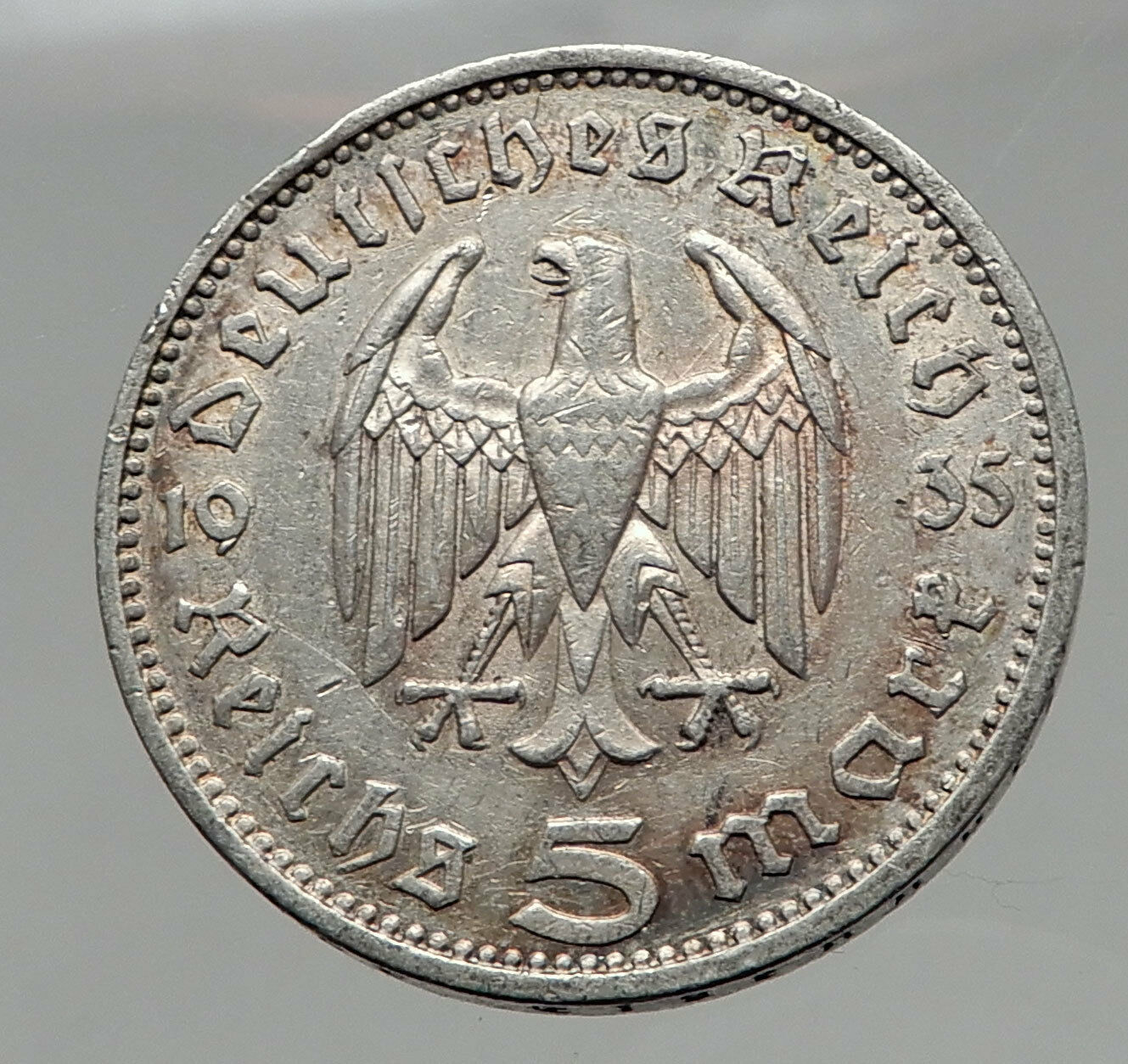
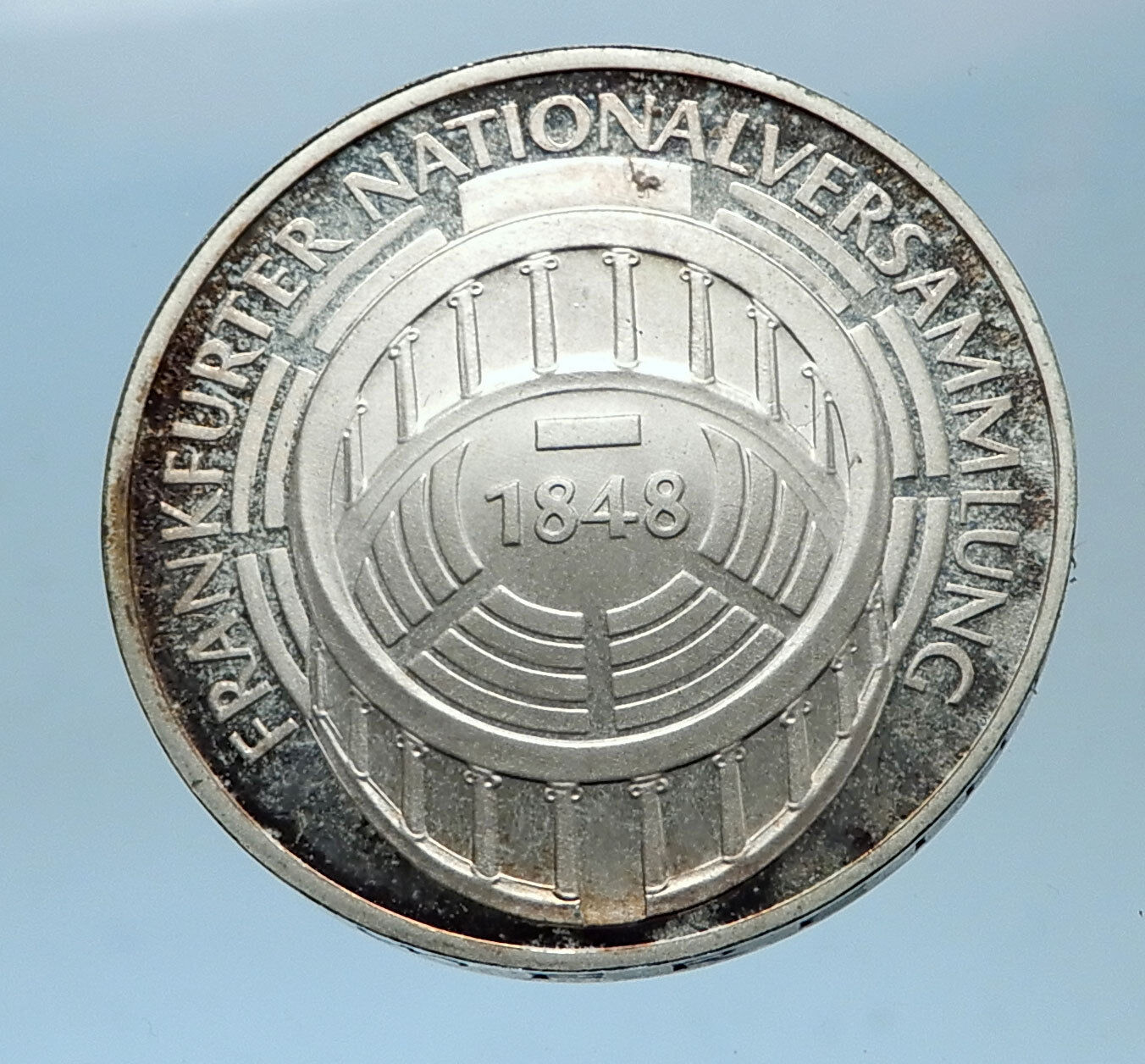
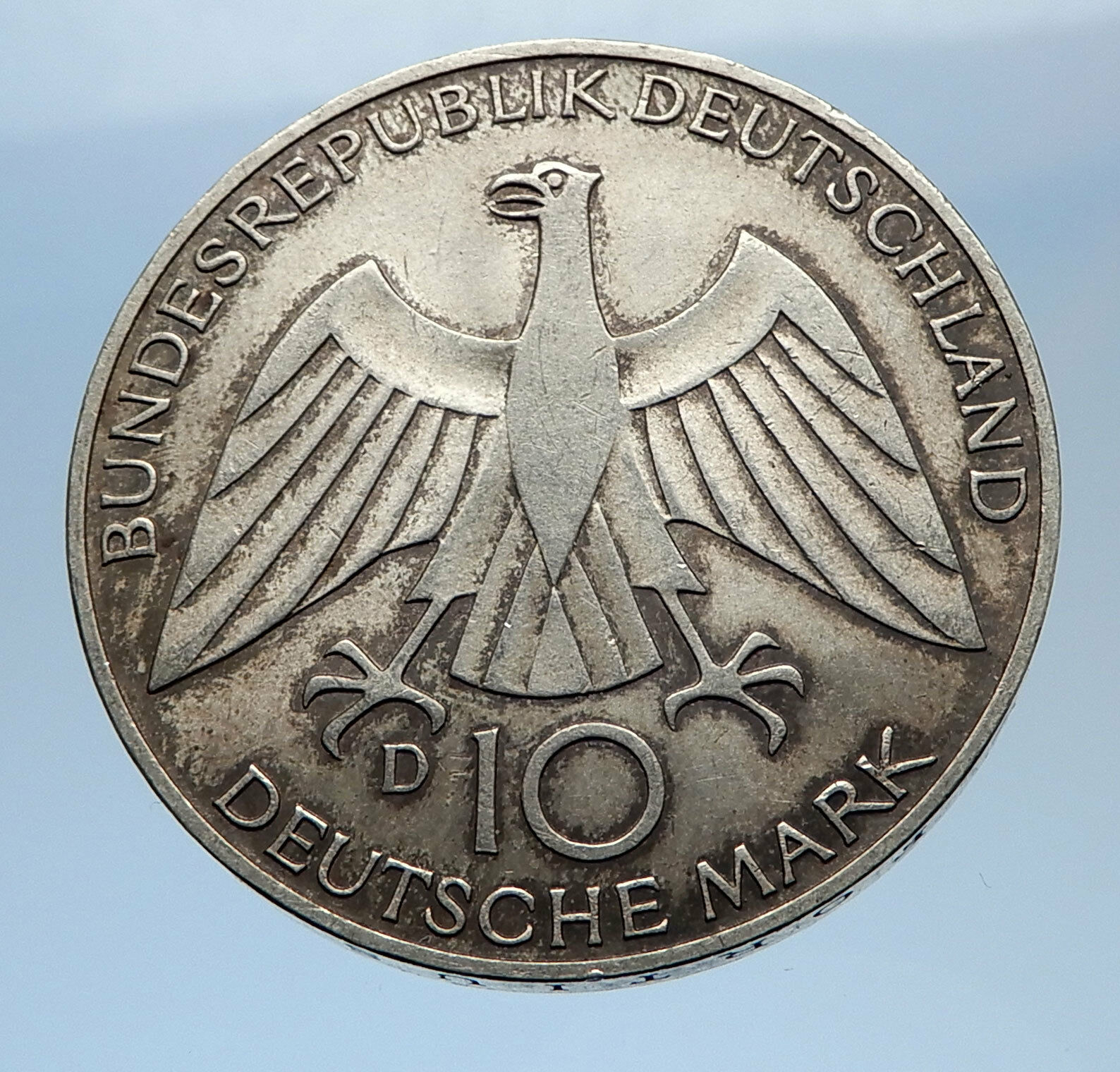
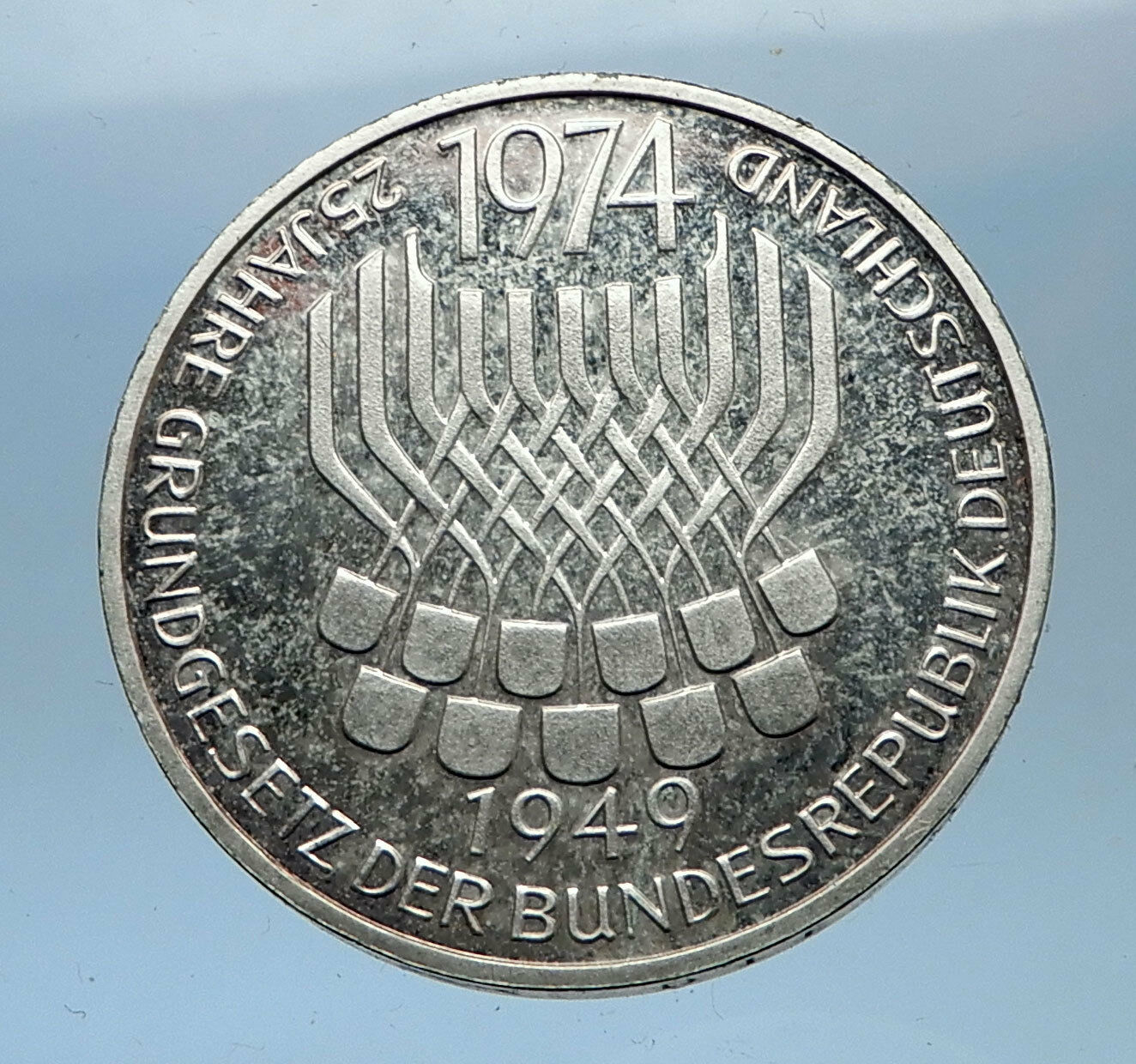
In the 21st century, Germany is a great power and has the world’s fourth-largest economy by nominal GDP, as well as the fifth-largest by PPP. As a global leader in several industrial and technological sectors, it is both the world’s third-largest exporter and importer of goods. Germany is a developed country with a very high standard of living sustained by a skilled and productive society. It upholds a social security and universal health care system, environmental protection and a tuition free university education. Germany was a founding member of the European Union in 1993. It is part of the Schengen Area, and became a co-founder of the Eurozone in 1999. Germany is a member of the United Nations, NATO, the G8, the G20, and the OECD. The national military expenditure is the 9th highest in the world. Known for its rich cultural history, Germany has been continuously the home of influential artists, philosophers, musicians, sportsmen, entrepreneurs, scientists and inventors. |


 Johann Wolfgang von Goethe (28 August 1749 – 22 March 1832) was a German writer and statesman. His works include four novels; epic and lyric poetry; prose and verse dramas; memoirs; an autobiography; literary and aesthetic criticism; and treatises on botany, anatomy, and colour. In addition, there are numerous literary and scientific fragments, more than 10,000 letters, and nearly 3,000 drawings by him extant.
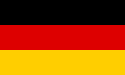 Germany, officially the Federal Republic of Germany is a federal parliamentary republic in western-central Europe. It includes 16 constituent states and covers an area of 357,021 square kilometres (137,847 sq mi) with a largely temperate seasonal climate. Its capital and largest city is Berlin. With 81 million inhabitants, Germany is the most populous member state in the European Union. After the United States, it is the second most popular migration destination in the world.
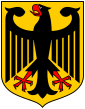 Various Germanic tribes have occupied northern Germany since classical antiquity. A region named Germania was documented before 100 CE. During the Migration Period the Germanic tribes expanded southward. Beginning in the 10th century, German territories formed a central part of the Holy Roman Empire. During the 16th century, northern German regions became the centre of the Protestant Reformation.
 The rise of Pan-Germanism inside the German Confederation resulted in the unification of most of the German states in 1871 into the Prussian-dominated German Empire. After World War I and the German Revolution of 1918-1919, the Empire was replaced by the parliamentary Weimar Republic. The establishment of the Third Reich in 1933 led to World War II and the Holocaust. After 1945, Germany split into two states, East Germany and West Germany. In 1990, the country was reunified.
Frequently Asked Questions
Who am I dealing with?
How long until my order is shipped?
How will I know when the order was shipped?
What is a certificate of authenticity and what guarantees do you give that the item is authentic?
Is there a money back guarantee?
When should I leave feedback?
How and where do I learn more about collecting ancient coins?
|