|
China – Pre-Qin Dynasty – 1046 BC – 221 BC
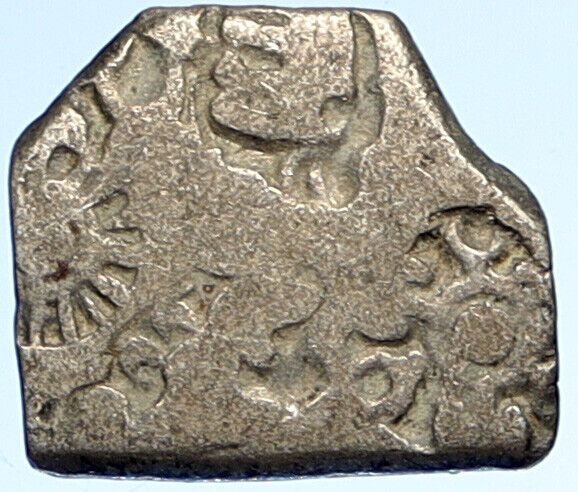
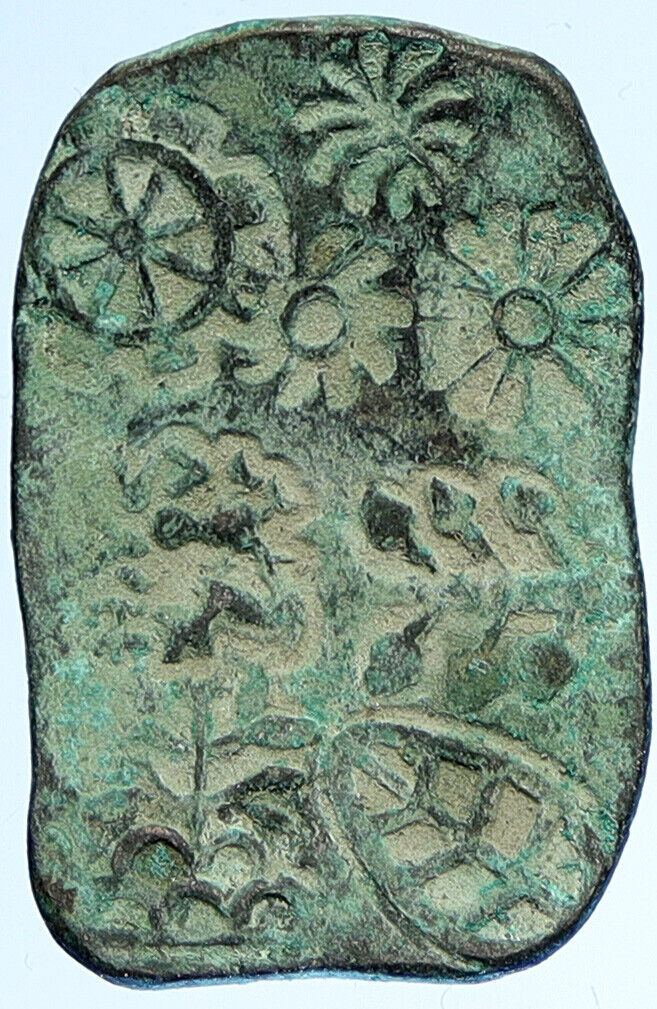
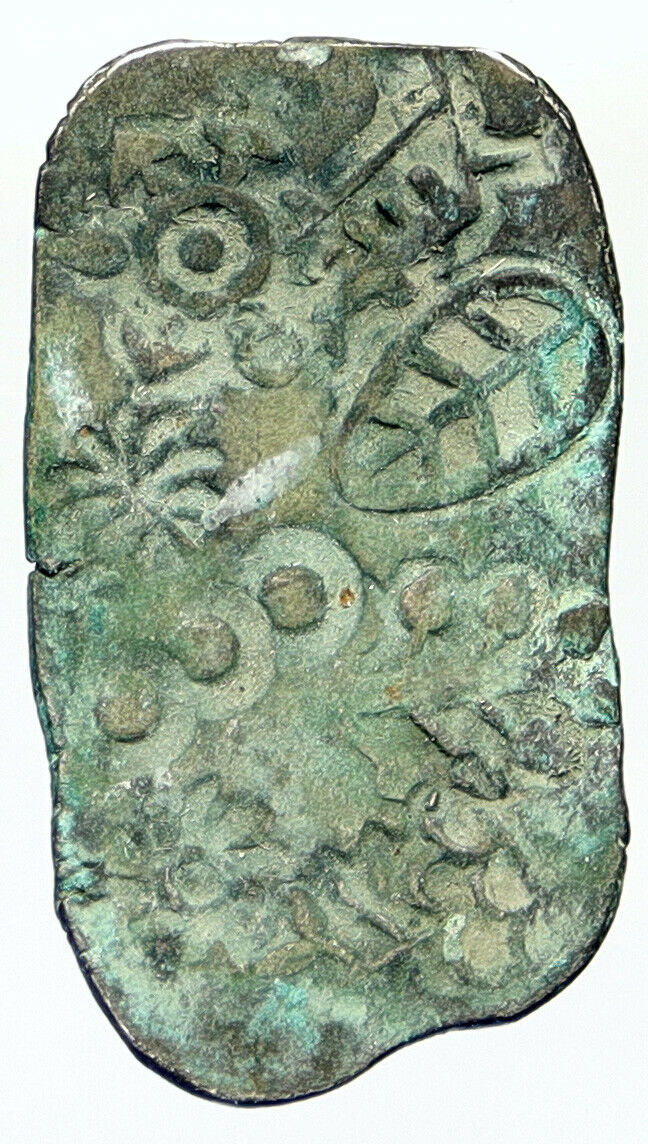
Bronze 38mm x 25mm Cowrie Shell Money (28.98 grams), Struck circa 500 BC.
One straight line dividing the shell with carved grooves for the teeth.
You are bidding on the exact item pictured, provided with a Certificate of Authenticity and Lifetime Guarantee of Authenticity.
Pre-Qin Dynasty
From about 859 BC the area around modern-day Taiyuan was occupied by the Rong people. In 662 BC the Rong were driven out by the Di people.
During the Spring and Autumn period, the state of Jin emerged to the south of Taiyuan. In 541 BC, the Jin army led by General Xun Wu drove out the Di Tribes, and Taiyuan became part of the state of Jin. ]
In 497 BC, the first ancient city of Jinyang was built around the southern Jinyuan District of present-day Taiyuan, by Dong Anyu (董安于), who was a steward of Zhao Jianzi (赵鞅), an upper-level official of the state of Jin.
During the Battle of Jinyang in 453 BC, Zhi Yao diverted the flow of the Fen River to inundate the city of Jinyang, caused significant damage to the Zhao. Later, Zhao Xiangzi alerted Wei and Han, who both decided to ally with Zhao. On the night of 8 May 453 BC, Zhao troops broke the dams of the Fen River and let the river flood the Zhi armies, and eventually annihilated the Zhi army, with the help from Wei and Han.
The Tripartition of Jin happened in 403 BC, when the state of Jin, then a strong power in Northern China, was divided into three smaller states of Han, Zhao and Wei. This event is the watershed between the Spring and Autumn and Warring States periods in Chinese history. Jinyang, was chosen as the capital of Zhao, by Zhao Ji. Later, the capital of Zhao was moved to Handan in modern Hebei.
Shell money is a medium of exchange similar to coin money and other forms of commodity money, and was once commonly used in many parts of the world. Shell money usually consisted of whole or partial sea shells, often worked into beads or otherwise shaped. The use of shells in trade began as direct commodity exchange, the shells having value as body ornamentation. The distinction between beads as commodities and beads as money has been the subject of debate among economic anthropologists.
Shell money has appeared in the Americas, Asia, Africa and Australia. The most familiar form may be the wampum created by the Indigenous peoples of the East Coast of North America, ground beads cut from the purple part of marine bivalve shells. The shell most widely used worldwide as currency was the shell of Cypraea moneta, the money cowry. This species is most abundant in the Indian Ocean, and was collected in the Maldive Islands, in Sri Lanka, along the Malabar coast, in Borneo and on other East Indian islands, and in various parts of the African coast from Ras Hafun to Mozambique. Cowry shell money was an important part of the trade networks of Africa, South Asia, and East Asia.
|