|
Diadumenian – Roman Caesar: 218 A.D.
Bronze 23mm (7.62 grams) Amisos (Amisus) in Pontus
Dated CY 249, struck 217/218 AD.
Reference: SNG von Aulock 6748.
Certification: NGC Ancients
Ch VF 6155925-012
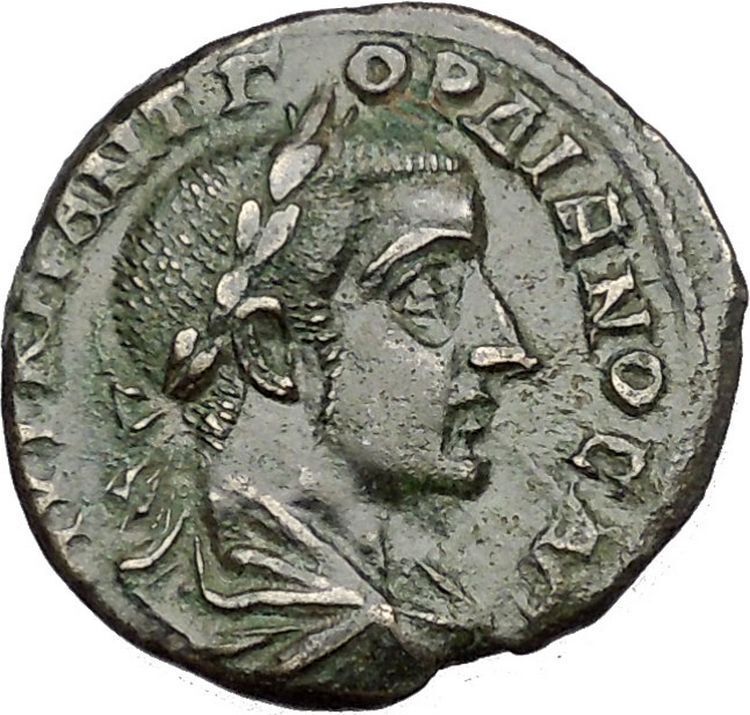
Bareheaded, draped and cuirassed bust right.
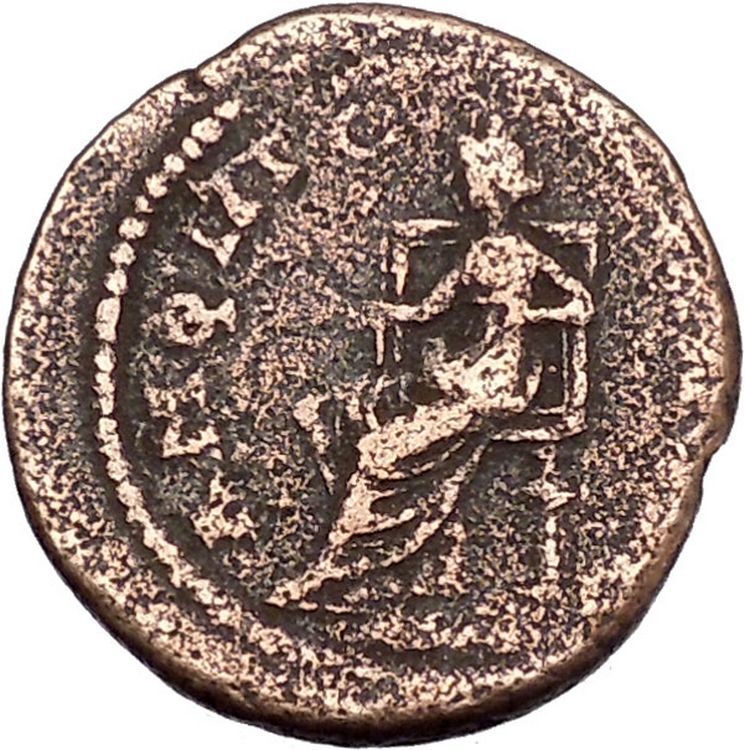
Eagle, with wreath in beak and wings spread, standing right, head left.
You are bidding on the exact item pictured, provided with a Certificate of Authenticity and Lifetime Guarantee of Authenticity.
Samsun is a city in northern Turkey, on the coast of the Black Sea, with a population of over 1 million. It is the capital city of Samsun Province and an important port. Samsun was founded as the colony Amisos (alternative spelling Amisus, Eis Amison – meaning to amisos took the name Samsunta or Samsus (Eis Amison – Samson – Samsounta) as in Greek + ounta “Greek toponomical suffix”. ) by settlers from Miletus in the 7th century BC.
History
Samsun’s original name was Enete (from Hitits.) Samsun’s ideal combination of fertile ground and shallow waters attracted numerous traders. Greek colonists settled in the 6th century BC and established a flourishing trade relationship with the ancient peoples of Anatolia. At that time, Samsun was part of the Greek colony of Amisus. In the 3rd century BC, Samsun came under the expanded rule of the Kingdom of Pontus. The Kingdom of Pontus had been part of the empire of Alexander the Great. However, the empire was fractured soon after Alexander’s death in the 4th century BC. At its height, the kingdom controlled the north of central Anatolia and mercantile towns on the northern Black Sea shores.
The Romans took over in 47 BC, and were replaced by the Byzantines after the fall of Rome. In 1200 Samsun was captured by the Seljuks, to be later taken over by the İlhanlılar. Samsun was incorporated into the network of Genoese trading posts and was taken by the Ottomans in the beginning of the 15th century. Before leaving, the Genoese razed the town.
Atatürk founded the Turkish republic movement at Samsun and it served as its base during the Turkish War of Independence.
For more details on this topic, see Turkish War of Independence.
The city is both an Eastern Orthodox and a Roman Catholic titular see.
 Diadumenian – Roman Caesar: 218 A.D.
Son of Macrinus
Marcus Opellius Antoninus Diadumenianus or Diadumenian (208-218) was the son of the Roman Emperor Macrinus, and served his father briefly as Caesar (May 217-218) and as Augustus (in 218). Diadumenian was born in 14th of September 208 a.C or according to Historia Augusta in 19th of September 208 a.C because he shared the same birthday with the emperor Antoninus Pius. His mother was Empress Nonia Celsa, although her existence remains dubious, because she was only mentioned by the Historia Augusta. He was born Marcus Opellius Diadumenianus, but his name was changed and added Antoninus to solidify connection to the family of Marcus Aurelius as done by Caracalla.
Diadumenian had little time to enjoy his position or to learn anything from its opportunities because the legions of Syria revolted and declared Elagabalus ruler of the Roman Empire. When Macrinus was defeated on June 8, 218, at Antioch, Diadumenian followed his father’s death.
|