|
Julia Mamaea – Augusta: 222-235 A.D.
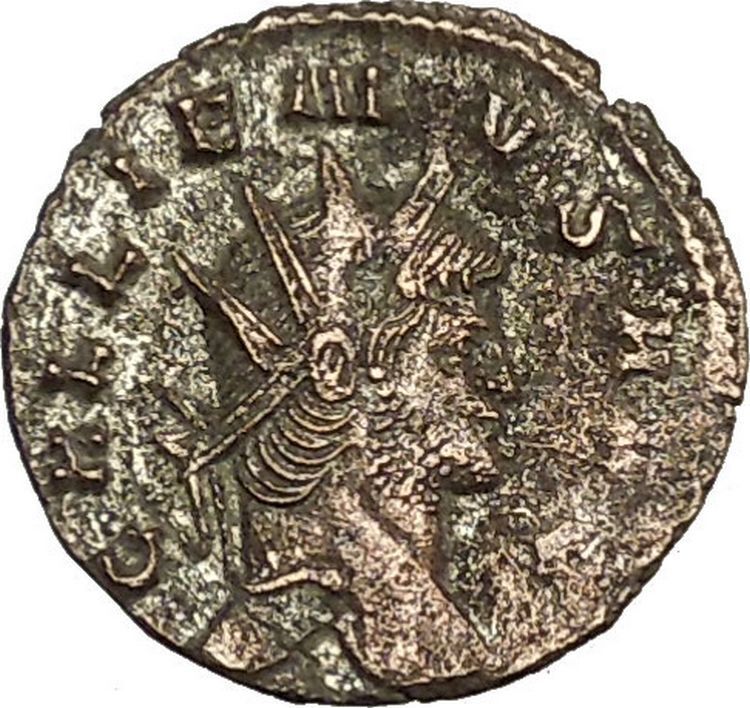
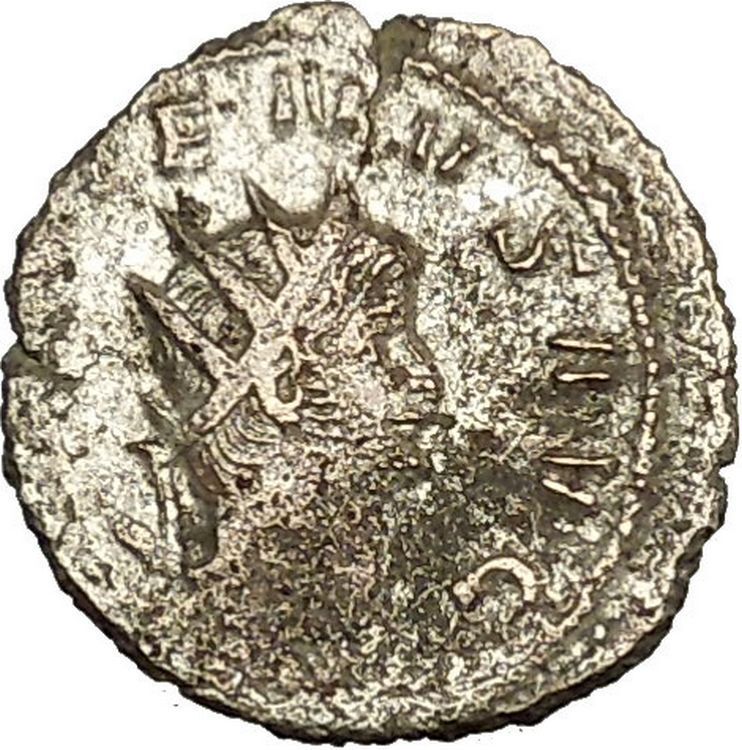
Bronze Sestertius 29mm (14.57 grams) Rome mint 231 A.D.
Reference: RIC 705 (Severus Alexander), BMC 719, C 78
* NOT CERTIFIED by NGC because “TOOLED”
IVLIA MAMAEA AVGVSTA, Diademed, draped bust right.
VENVS VICTRIX, Venus standing left, holding helmet and scepter; shield to left; SC across fields.
* Note regarding “NOT CERTIFIED by NGC” coins. Certain coins are ineligible types for NGC slabbing because of their very strict grading policy as their experts sometimes uncover things that make them ineligible for their grading service and list this reason. A lot of, or possibly even most collectors could consider the reasons minor or insignificant to the enjoyment of the history, collectibility and beauty of the coin. In the interest of honesty and integrity, this information is disclosed to you so that you can make an informed decision of exactly what you getting.
You are bidding on the exact item pictured, provided with a Certificate of Authenticity and Lifetime Guarantee of Authenticity.
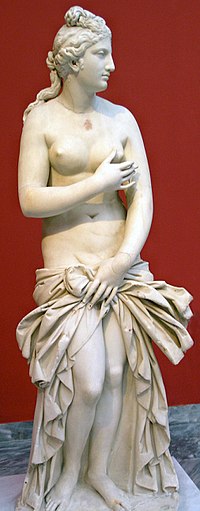 Venus was a Roman goddess principally associated with love, beauty and fertility, who played a key role in many Roman religious festivals and myths. From the third century BC, the increasing Hellenization of Roman upper classes identified her as the equivalent of the Greek goddess Aphrodite.
Her cult began in Ardea and Lavinium, Latium. On August 15, 293 BC, her oldest known temple was dedicated, and August 18 became a festival called the Vinalia Rustica. After Rome’s defeat at the Battle of Lake Trasimene in the opening episodes of the Second Punic War, the Sibylline oracle recommended the importation of the Sicillian Venus of Eryx; a temple to her was dedicated on the Capitoline Hill in 217 BC: a second temple to her was dedicated in 181 BC.
Venus seems to have played a part in household or private religion of some Romans. Julius Caesar claimed her as an ancestor (Venus Genetrix); possibly a long-standing family tradition, certainly one adopted as such by his heir Augustus. Venus statuettes have been found in quite ordinary household shrines (lararia). In fiction, Petronius places one among the Lares of the freedman Trimalchio’s household shrine.
Julia Mamaea – Augusta: 222-235 A.D.
| Mother of Severus Alexander | Daughter of Julia Maesa | Mother-in-law of Orbiana | Sister of Julia Soaemias | Nice of Julia Domna and Septimius Severus | Aunt of Elagabalus | Cousin of Caracalla and Geta |

Julia Avita Mamaea (14 or 29 August after 180-235) was the second daughter of Julia Maesa, a powerful Roman woman of Syrian Arab origin and Syrian noble Julius Avitus. She was a niece of empress Julia Domna and emperor Septimius Severus and sister of Julia Soaemias. She was born and raised in Emesa (modern Homs, Syria).
Julia’s first husband was a former consul (whose name is unknown) who died. Julia married as her second husband Syrian Promagistrate Marcus Julius Gessius Marcianus. Julia bore Marcianus two children, a daughter called Theoclia (little is known of her) and a son, Marcus Julius Gessius Bassianus Alexianus, later emperor Alexander Severus. Unlike her sister, Julia Mamaea was reported to be a virtuous woman, never involved in scandals.
As a member of the Imperial Roman family, she watched closely the death of her cousin Caracalla and the ascent to power of her nephew Elagabalus, the oldest grandson of Julia Maesa and her choice to the throne. Eventually Elagabalus and his mother Julia Soaemias proved incompetent rulers and favour fell on Alexander, Julia’s son. He became emperor in 222, following Elagabalus’ murder by the Praetorian Guard. Julia and her mother became regents in the name of Alexander, then 14 years old. Upon adulthood, Alexander confirmed his esteem for his mother and named her consors imperii (imperial consort). It was in this condition that she accompanied her son in his campaigns: a custom started with Julia Domna. Thus she travelled to the East, for the campaign against Parthia and to the Germania provinces. Julia Mamaea was with Alexander in Moguntiacum (modern Mainz), capital of Germania Superior, when he was assassinated by his troops. She suffered the same fate.
|