|
Salonina – Roman Empress: 253-268 A.D. – Wife of Gallienus
Bronze Antoninianus 19mm (2.91 grams) Struck circa 260-268 A.D.
Reference: RIC 21 var.
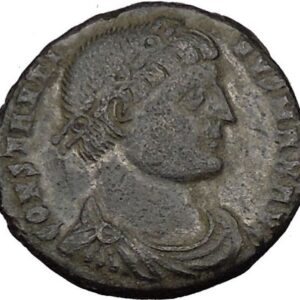
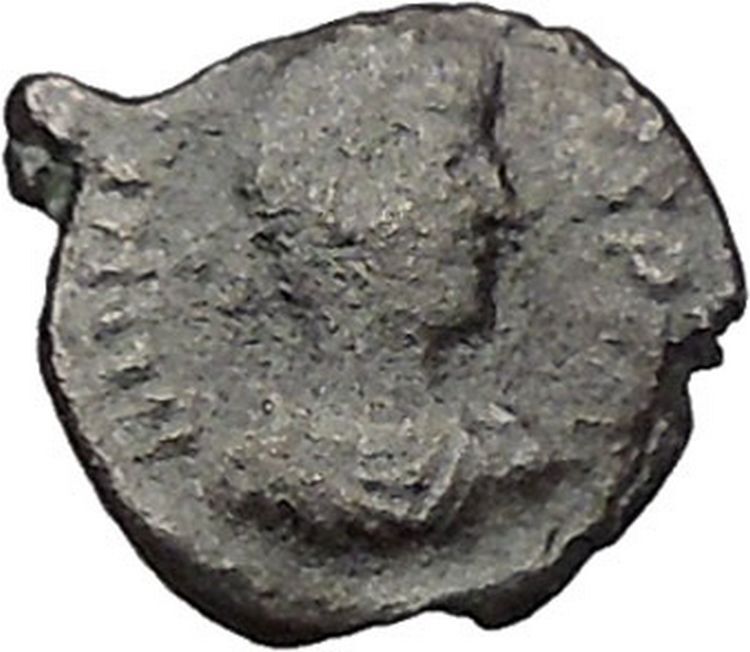
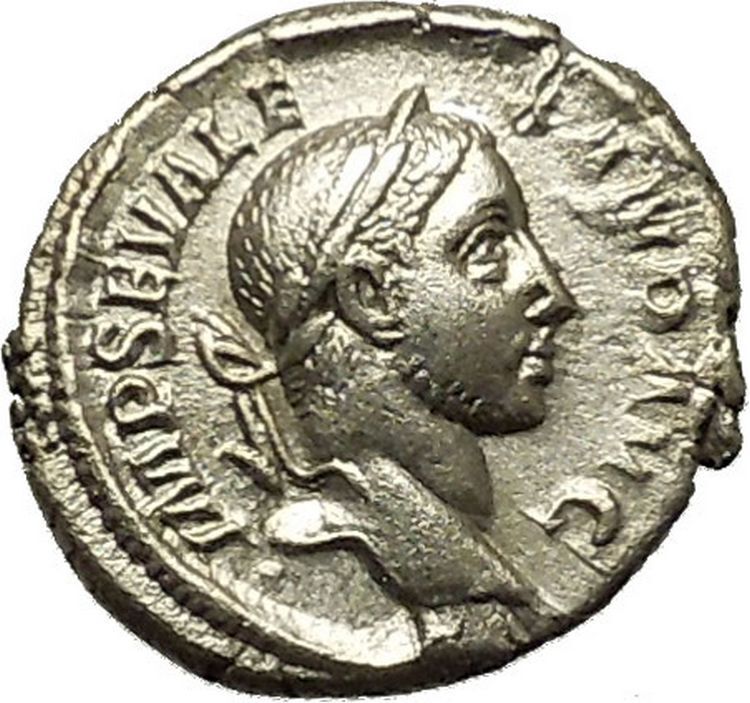
SALONINA AVG, Diademed draped bust on crescent right.
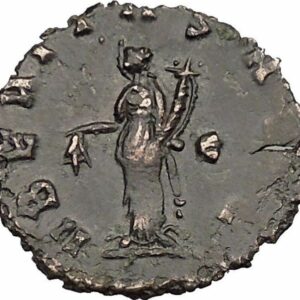
PIETAS AVG, Pietas standing left holding patera and box of perfume.
You are bidding on the exact item pictured, provided with a Certificate of Authenticity and Lifetime Guarantee of Authenticity.
In Roman mythology, Pietas was the goddess of duty to one’s state, gods and family and a personification of the Roman virtue of pietas. One of the di indigetes, her main temple was a 2nd century BC one in the Forum Holitorium. This goddess was often depicted on the reverses of Roman Imperial coins with women of the imperial family on the obverse, as an appropriate virtue to be attributed to them (eg Flavia Maximiana Theodora, right). The imperial women might even appear in the goddess’s guise (eg Livia here and Salonina Matidia here).
 Julia Cornelia Salonina (d. 268, Mediolanum) was an Augusta, wife of Roman Emperor Gallienus and mother of Valerian II, Saloninus, and Marinianus.
Julia Cornelia Salonina’s origin is unknown. According to a modern theory, she was born of Greek origin in Bithynia, then part of the province of Bithynia et Pontus, Asia Minor. However, there exists some scepticism on that. She was married to Gallienus about ten years before his accession to the throne. When her husband became joint-emperor with his father Valerian in 253, Cornelia Salonina was named Augusta.
Cornelia was the mother of three princes, Valerian II, Saloninus and Marinianus. Her fate, after the murder of Gallienus, during the siege of Mediolanum in 268, is unknown. It is likely that either her life was spared or the she was executed together with other members of her family, at the orders of the Senate of Rome.
Her name is reported on coins with Latin legend as Cornelia Salonina; however, from the Greek coinage come the names Iulia Cornelia Salonina, Publia Licinia Cornelia Salonina, and Salonina Chrysogona (attribute that means “begotten of gold”).
|